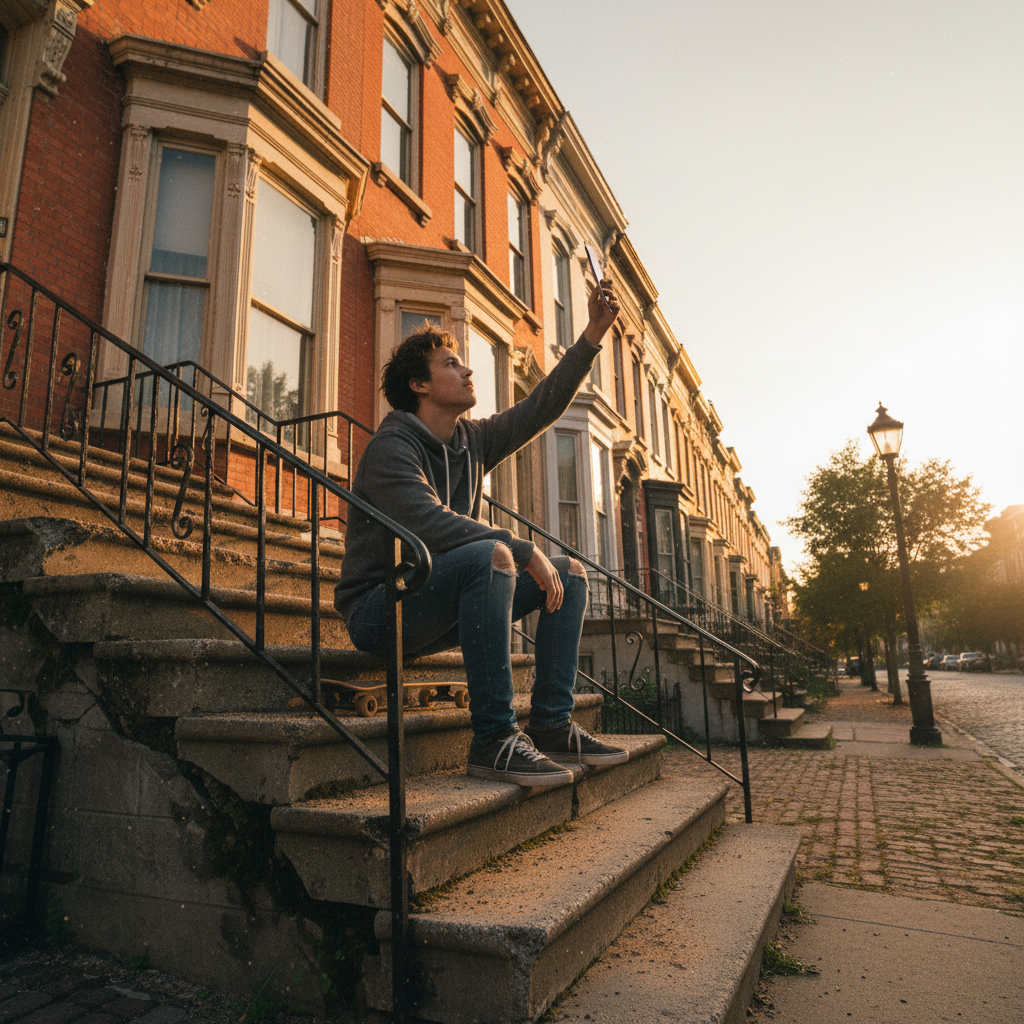
A residential street at golden hour — warm light falls across row houses, a teenager sits on concrete steps holding a phone high searching for signal

1 in 4 households
on this street
can't load this page.

The digital divide isn't a national statistic. It lives on the block between the library parking lot and the fast-food booth where ninth-graders submit their homework.

One block on Elm Street.
Eight homes without a reliable connection.

We mapped every household on a single residential block in Philadelphia's Kensington neighborhood. The results look like a power outage — except the lights never come back on for some of them.

North side
South side
Broadband access
Partial / mobile only
No reliable access
7

homes with
no reliable access

3

households on
mobile hotspots only

6

homes with
broadband access

Data collected February 2026 via door-to-door survey and FCC broadband availability map cross-reference. Elm Street, Kensington, Philadelphia. Survey conducted by Bridge field volunteers.
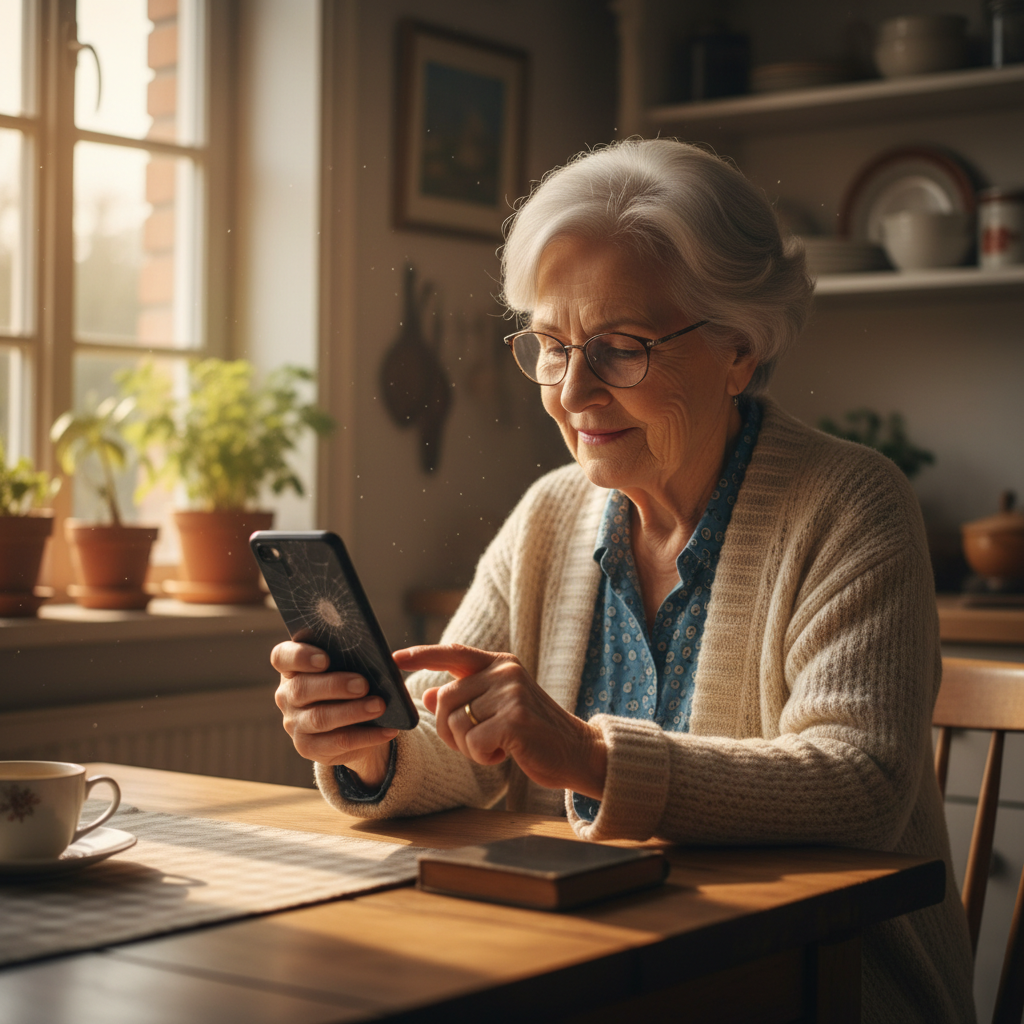
Dorothy Mae Washington, 71, sits at her kitchen table with a cracked phone screen, navigating the Medicare renewal portal — warm afternoon light falls across her hands

Dorothy Mae Washington

71 · Kensington, Philadelphia

No home broadband
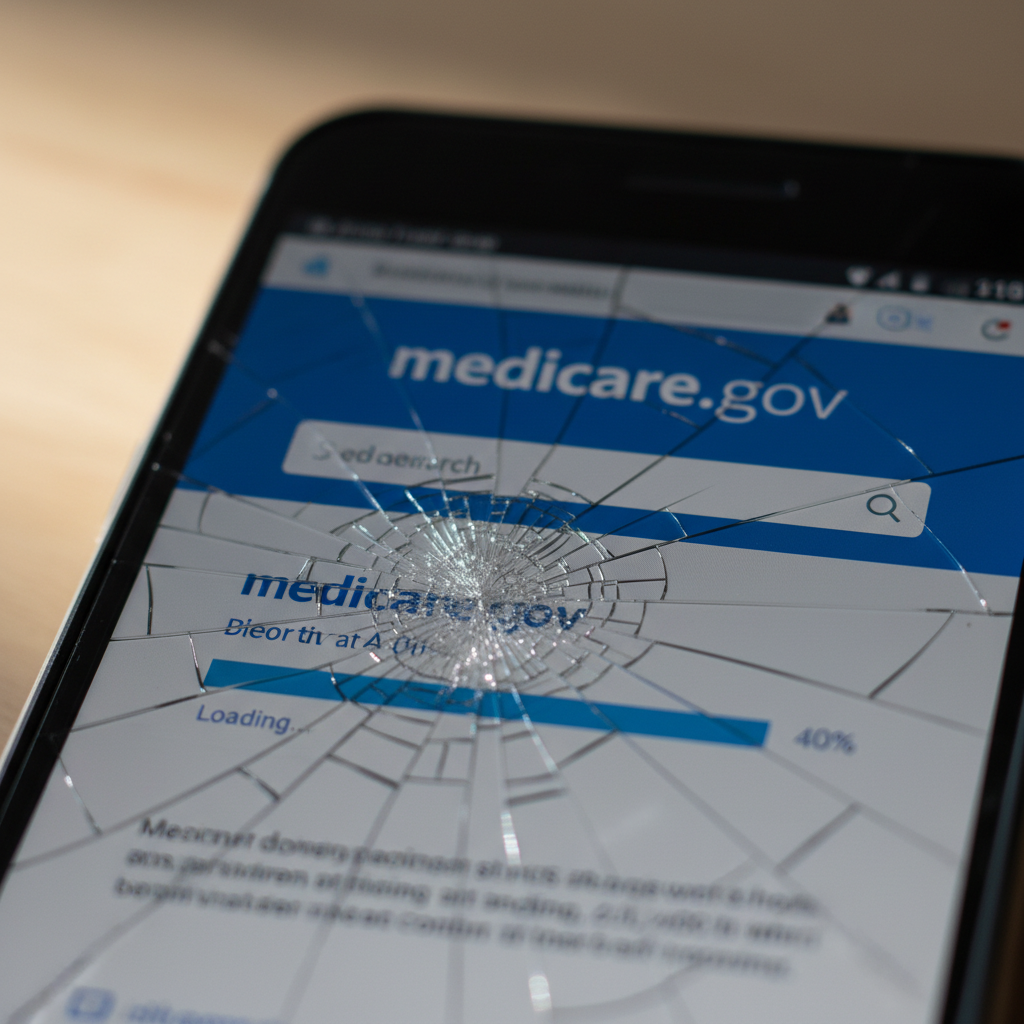
A cracked smartphone screen showing the Medicare.gov website loading slowly — the progress bar frozen at 40%

She carries her laptop
like a hymnal under her arm.

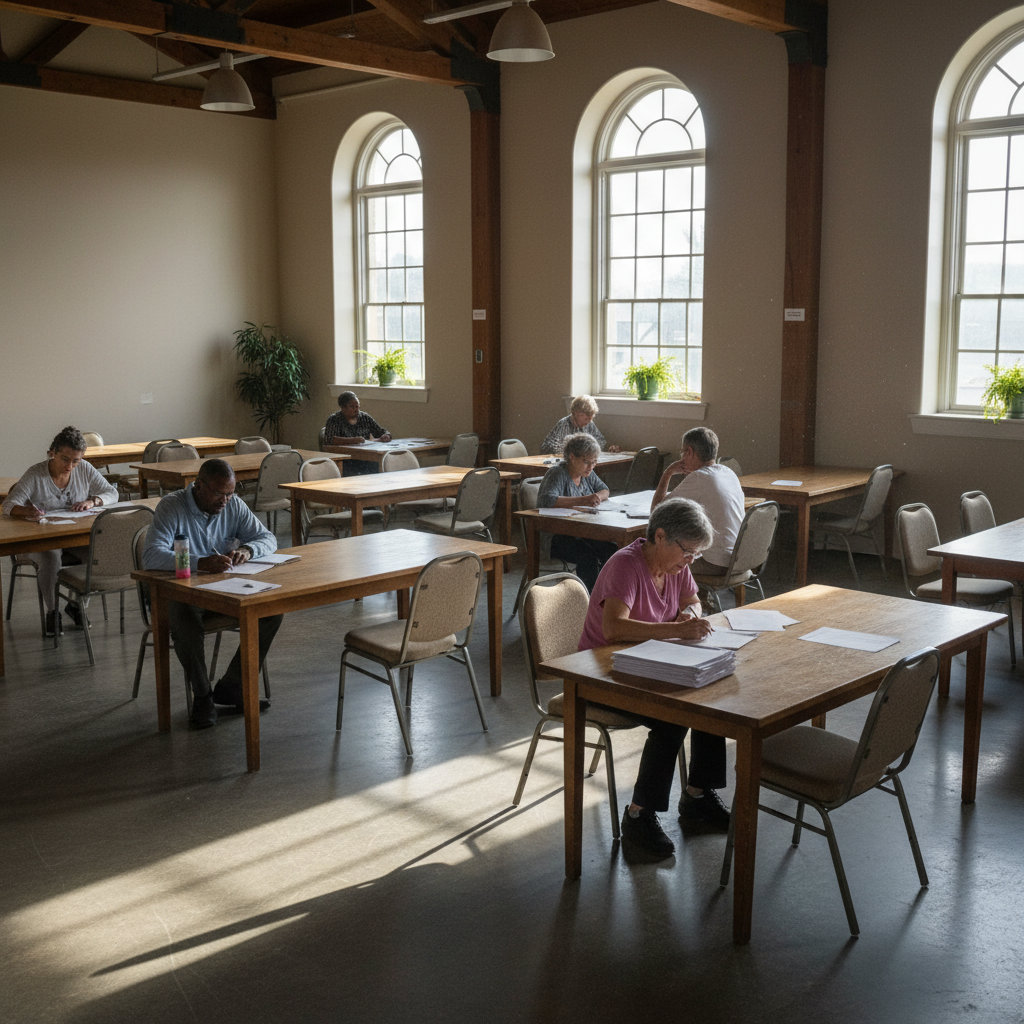
Every Tuesday and Thursday, Dorothy Washington walks four blocks to the Kensington Community Library — not to borrow books, but to use the parking lot Wi-Fi. The library closes at 6 PM. The Wi-Fi stays on until 9.

She's been filing her Medicare supplemental renewal this way for three years. "The form times out if I try to do it on my phone," she says. "So I come here. I bring a lawn chair in the summer."

Her block — 1400–1420 Elm Street — sits precisely at the edge of a coverage gap that AT&T maps show as served. It isn't. The signal exists. The infrastructure doesn't reach her side of the intersection.

"I'm not asking for fast. I'm asking for something that loads before the session expires."

Dorothy isn't an edge case. Within three blocks of her home, Bridge volunteers identified 23 households in identical circumstances — seniors, single-parent families, small-business owners — all performing the same workaround. Same lawn chair. Different parking lots.

23

households within 3 blocks

performing the same parking-lot workaround to access government services, school portals, and business tools every week in Kensington alone.

Help change this

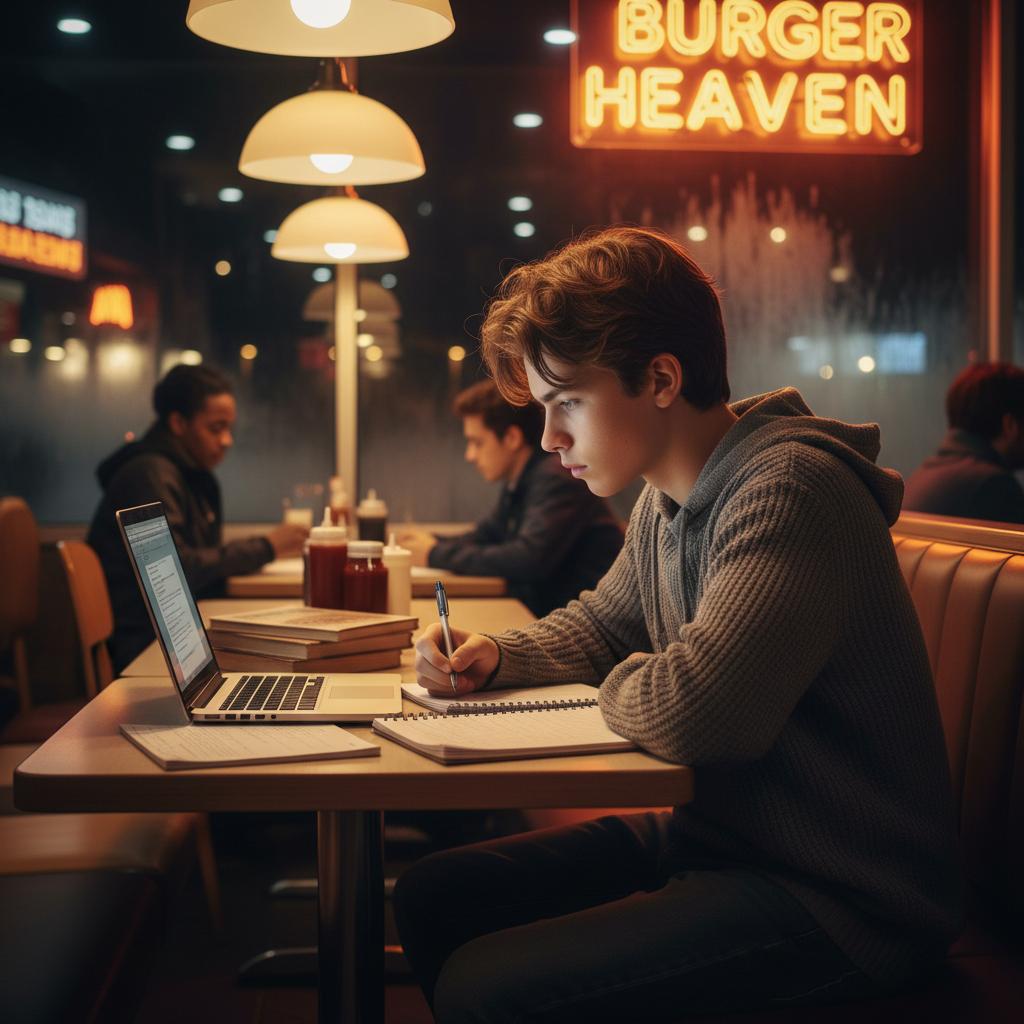
Marcus submits his homework
from the second booth by the window.

Marcus Rivera, 14, attends Kensington CAPA High School two miles from his apartment. His school requires assignments submitted through Google Classroom by 11:59 PM. His building has no Wi-Fi. His mother's phone plan caps at 2 GB.

Every evening, Marcus walks to the Popeyes on Allegheny Avenue. He orders a biscuit — $1.09. He stays until closing at 11 PM. He's been doing this since seventh grade.

"My teacher asked why I never turn things in on time. I didn't know how to explain the Wi-Fi thing."
A teenager sits alone in a fast-food restaurant late at night, laptop open, working on homework — the warm restaurant light reflects on his face

Marcus Rivera, 14 · Kensington, Philadelphia · No home broadband

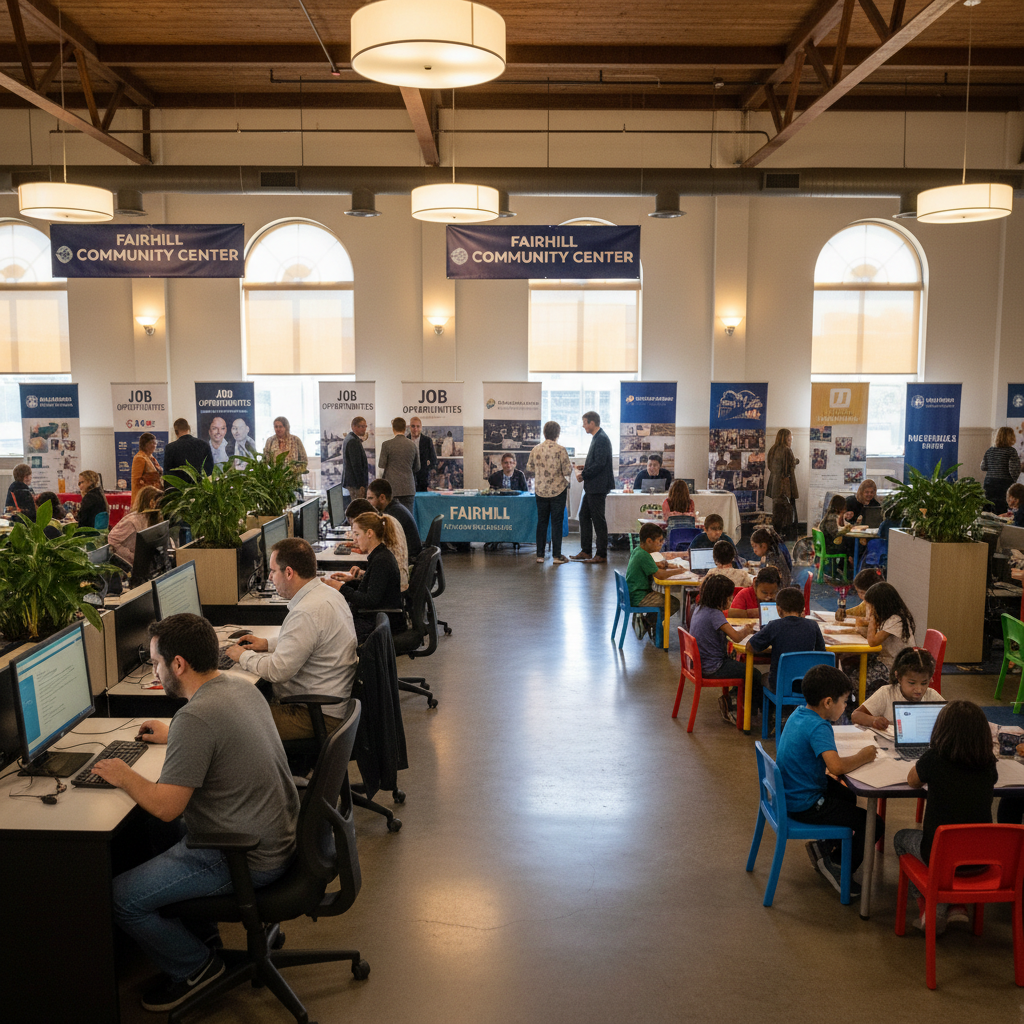
The Fairhill Community Center
got connected in March 2025.

Drag the slider to see what changed when the Fairhill Community Center received a fiber connection through the Bridge pilot program. The building didn't change. The people inside it did.

312

residents used the center's broadband in its first 30 days.

Job applicationsTelehealth visitsSchool assignmentsTax filings

increase in after-school program attendance within 60 days

$0

cost to residents. Funded entirely by Bridge donors and city partnership

"We didn't renovate the building. We just made it possible for people to walk through the door and stay."
— Carla Okonkwo, Director, Fairhill Community Center

The block is
closer than you think.

Dorothy is still filing Medicare forms from a parking lot. Marcus is still ordering a biscuit to earn Wi-Fi. The Fairhill model works — we've proven it. What we need now is to do it again, on the next block, and the one after that.

847

homes connected so far

12

neighborhoods in Philadelphia

94%

of donations go directly to infrastructure

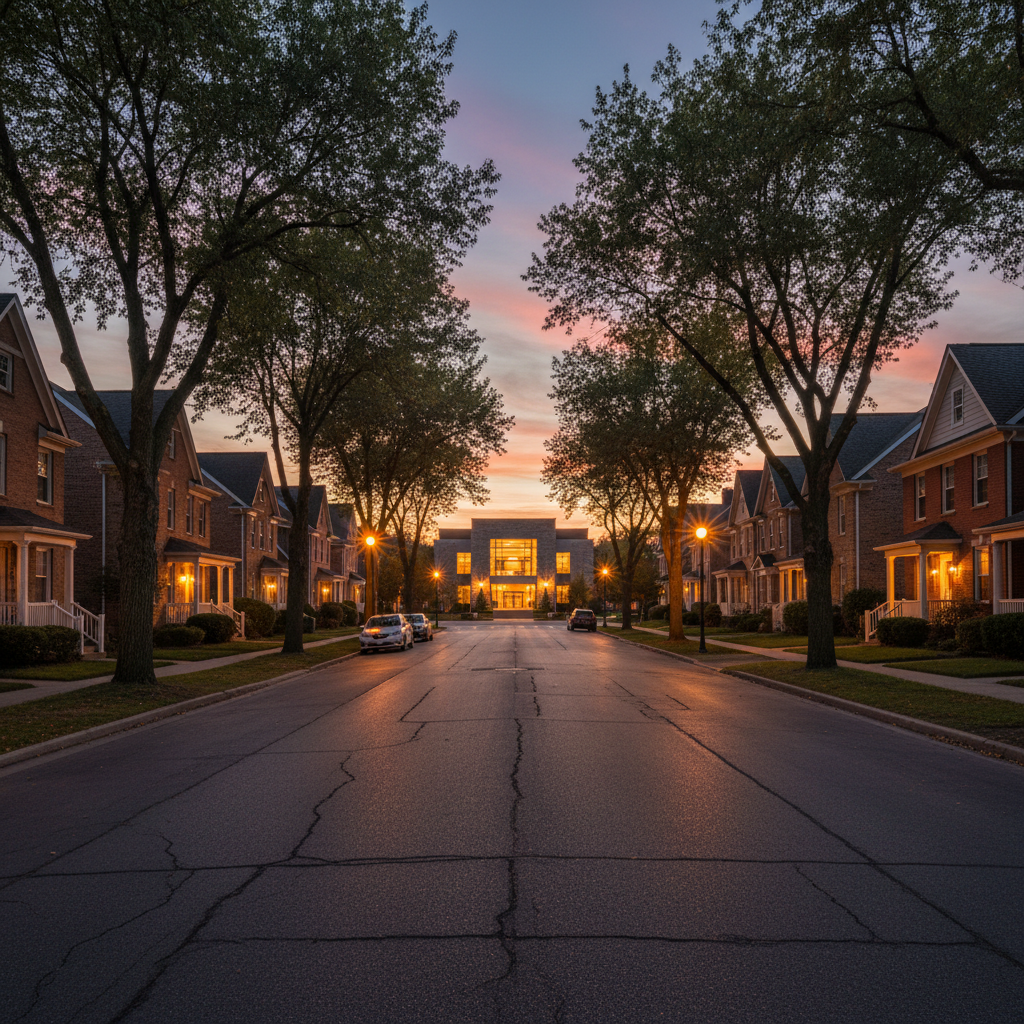
A residential street at dusk — some streetlights are on, some are dark. A community center glows warmly at the end of the block.

Streetlights on this block

8 of 16 homes have broadband. Some lights never come on.

Three ways to open a door

01

Donate

$45 covers one household's first month of subsidized broadband through our ISP partnerships.

Give now
02

Volunteer

Join a Saturday survey team. We walk blocks, knock on doors, and map the invisible gap in person.

Sign up
03

Advocate

Share your area's coverage map with your city council member. We provide the data. You make the call.

Get the map
Connect a Neighbor